



ChatGPT Ads in Latvia Our First Results and What Advertisers Should Know
A practical first look at OpenAI Ads Manager Beta, its key features and our early campaign data from the Latvian market.
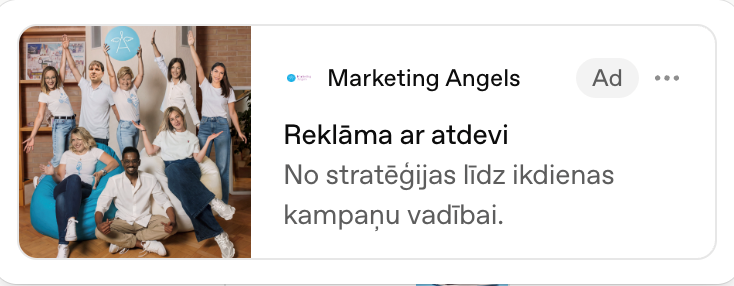
ChatGPT Ads have opened a new advertising space: the conversation itself. Instead of meeting a user while they scroll through a feed or search with a short keyword, a brand can appear while that person is exploring a problem, comparing options or deciding what to do next.
At Marketing Angels, we wanted to understand this channel through real work, not theory. We launched a lead campaign in Latvia and reviewed its first two completed days. The result is an early but useful picture of the platform: delivery started quickly, click costs were reasonable, and performance changed noticeably from one day to the next. It is still far too early to judge lead quality or long-term efficiency.
What is OpenAI Ads Manager Beta
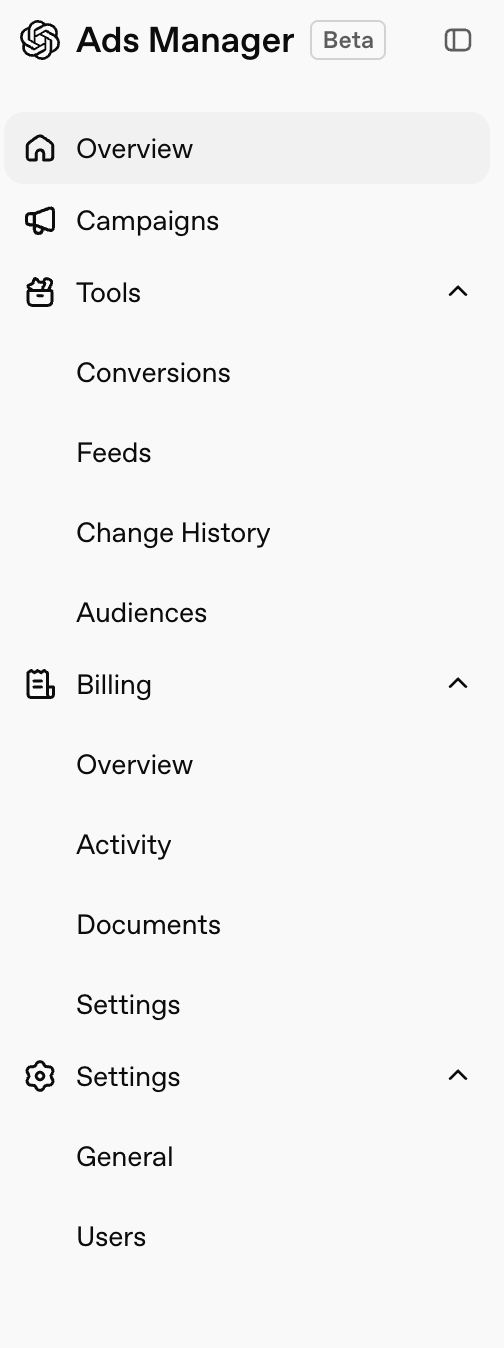
OpenAI Ads Manager Beta is the platform used to create, launch and manage ads in ChatGPT. OpenAI describes it as a beta product, so features and reporting may continue to change.
Ads appear below ChatGPT answers. A standard ad can contain the advertiser name, logo, headline, short description, image and landing page. Delivery is based on expected relevance and outcomes. The system can consider the current conversation, the landing page, ad copy and the advertiser’s context hints.
This is the main difference from classic search advertising. A keyword is often only a short signal. A ChatGPT conversation can show more context about the person’s situation and what they are trying to achieve. Advertisers still need clear targeting, strong creative and good measurement, but the matching logic is more conversational.
Campaign structure and launch process
The basic structure will feel familiar to teams that already use Google Ads or Meta Ads:
- Campaign: sets the business objective, conversion event, budget, dates and geographic or platform targeting.
- Ad group: organises ads around one clear theme, service, product category or user need. This is also where context hints are added.
- Ad: contains the creative elements that the user sees, including the title, description, image and landing page.
A normal launch starts with account setup, billing and verification. The advertiser then chooses an objective, builds the campaign and ad groups, adds ads, and submits them for review. Campaigns can be created in a guided workflow or at scale through bulk upload. After approval, Ads Manager reports impressions, clicks, spend, CTR, average CPC, average CPM and conversions when measurement is configured.
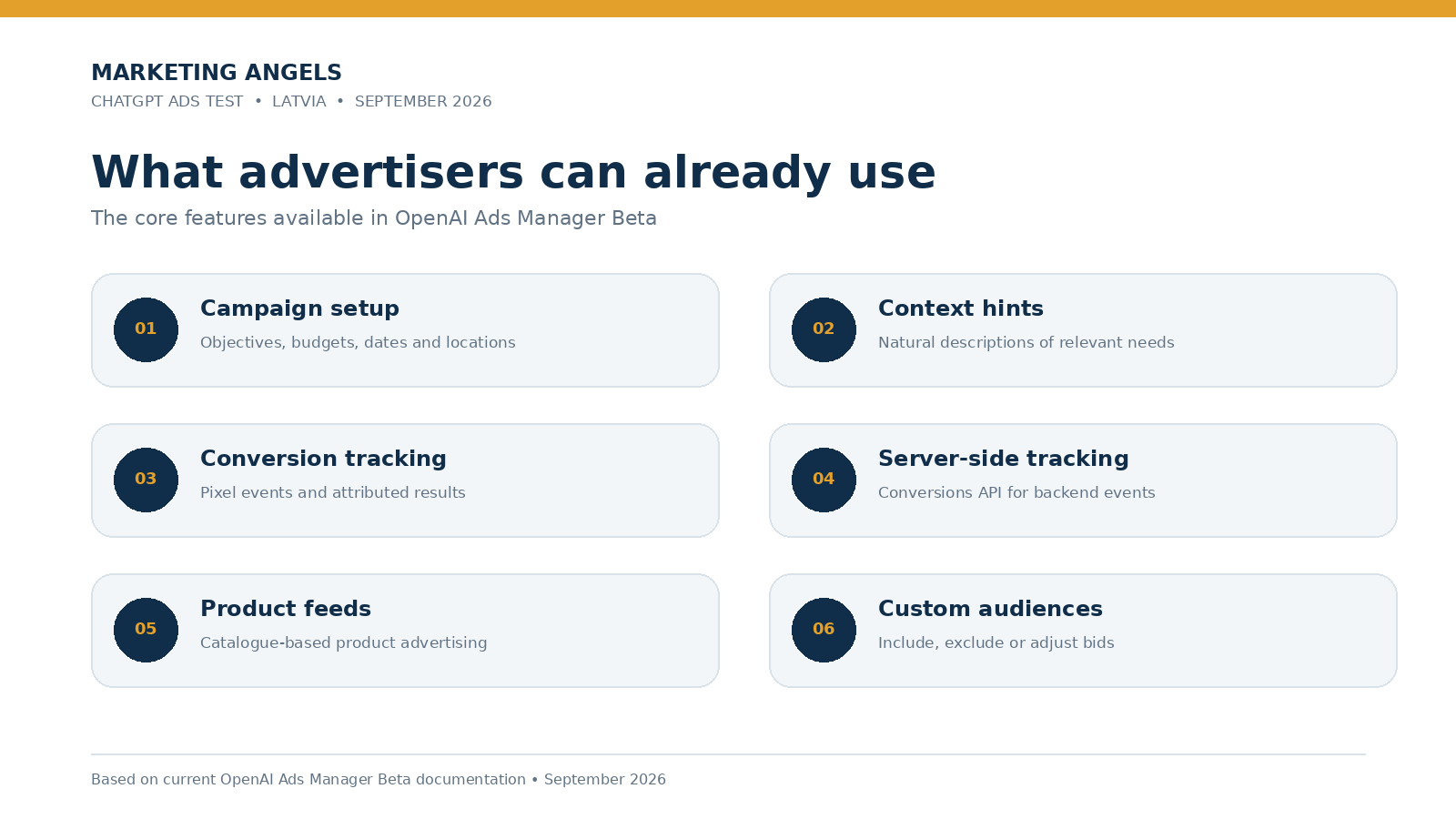
The features advertisers should understand
Conversion tracking
Advertisers can install the OpenAI Pixel and send standard or custom website events. These events connect ad clicks with actions such as a completed lead form, registration or order. Ads Manager can then report attributed conversions and use a selected event for conversion-optimised campaigns.
UTM parameters and supported dynamic URL parameters can also be added. This helps teams compare Ads Manager results with website analytics. Conversion reporting is not always immediate: OpenAI advises allowing 24–48 hours for attributed conversions to appear.
Server-side tracking
OpenAI also supports a Conversions API for server-side events. Instead of relying only on a browser, the company’s backend can send an event directly to OpenAI. This can improve reliability when browser restrictions, consent settings or page-loading problems reduce browser-side data. For many advertisers, the strongest setup will use the browser Pixel and server-side tracking together, with correct click reference values for attribution.
Context hints
Hints are one of the most important new elements. They are short, natural descriptions of the conversations, needs or situations where an offer may be useful. For example, a useful hint is more specific than “marketing.” It could describe a company looking for help with lead generation, a Google Ads agency or ways to lower customer acquisition costs.
Hints are not exact-match keywords and they do not guarantee that an ad will appear for a specific phrase. Their job is to give the system more context. Good hints explain the real need behind the service and stay focused on one theme per ad group.
Product feed ads
Retail advertisers can upload a product feed and create ads from a catalogue. A feed can include product titles, images, prices, sale prices, ratings, availability and landing pages. Products can be imported through a file, a hosted URL or an automated SFTP connection.
This format is useful for large or frequently changing catalogues. Products can be filtered into ad groups, while an ad template controls how eligible items appear. OpenAI says feed-based advertisers have been among the strongest performers in its programme so far. That statement comes from OpenAI and should not be read as a guarantee for every store or market.
Audience uploads
Custom audiences allow advertisers to upload customer or prospect lists using supported identifiers such as email addresses, phone numbers, hashed values or Google Advertising IDs. These audiences can be used to include or exclude people at campaign level. Advertisers can also adjust bids for selected audiences at ad-group level.
There is an important scale limit. Inclusion targeting and bid adjustments require at least 25,000 matched users, and OpenAI recommends at least 100,000. Smaller audiences can still be used for exclusions. This means audience uploads may be more practical for larger advertisers than for a small local business database.
Our first ChatGPT Ads test in Latvia
We launched the active campaign “MA – GPT Launch – Leads” with a €15 daily budget. The objective is leads, and delivery is optimised for conversions while billing is based on clicks. The campaign targets Riga and uses two Latvian ad groups.Together, they contain 16 active creative variants and focused Latvian context hints.
The conversion setup uses the OpenAI Pixel and the “Lead Submitted” event with a 30-day click-through attribution window.
Results from the first two completed days
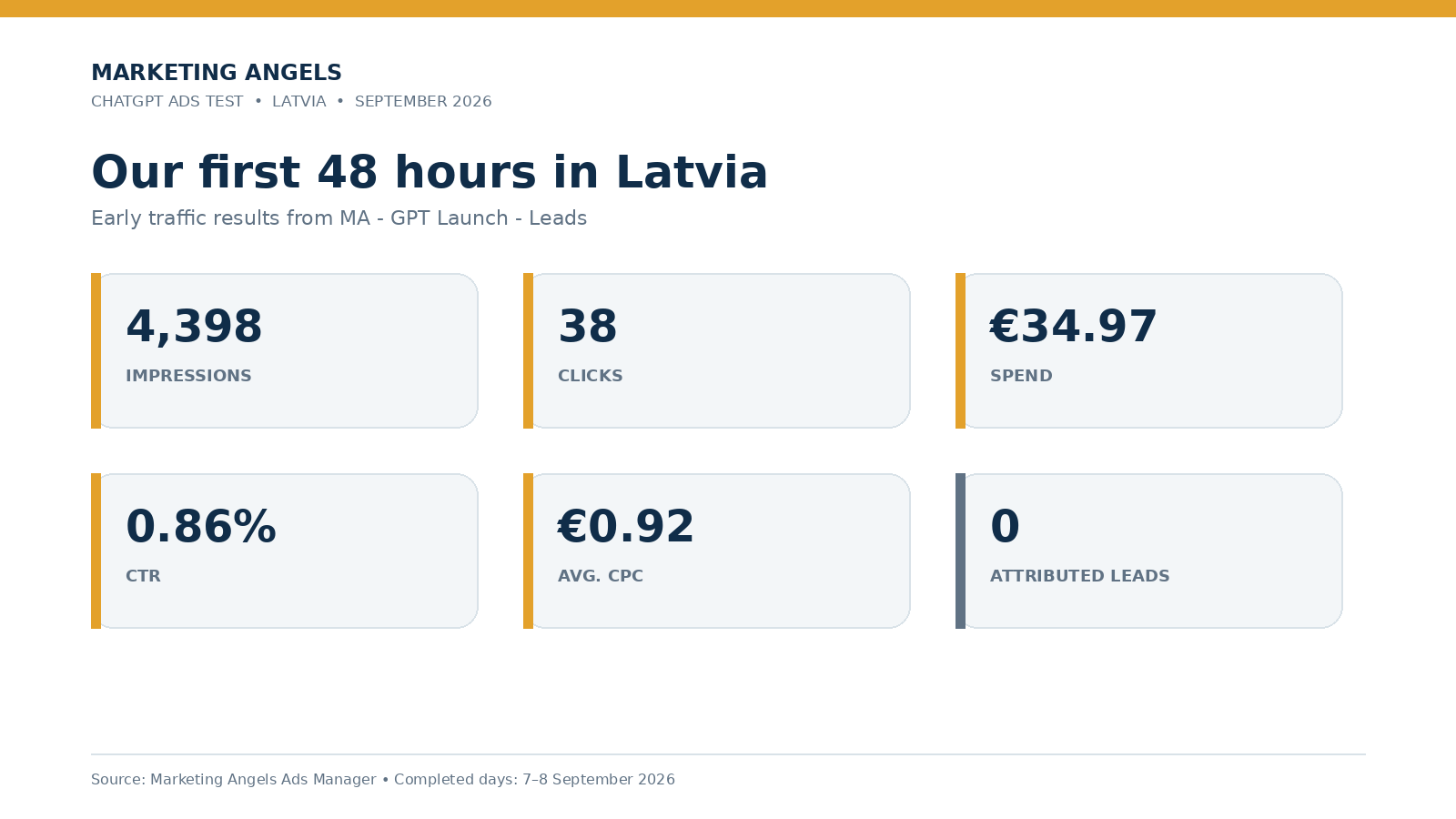
Source: Marketing Angels Ads Manager. Completed days: 7–8 September 2026.
What the early data tells us
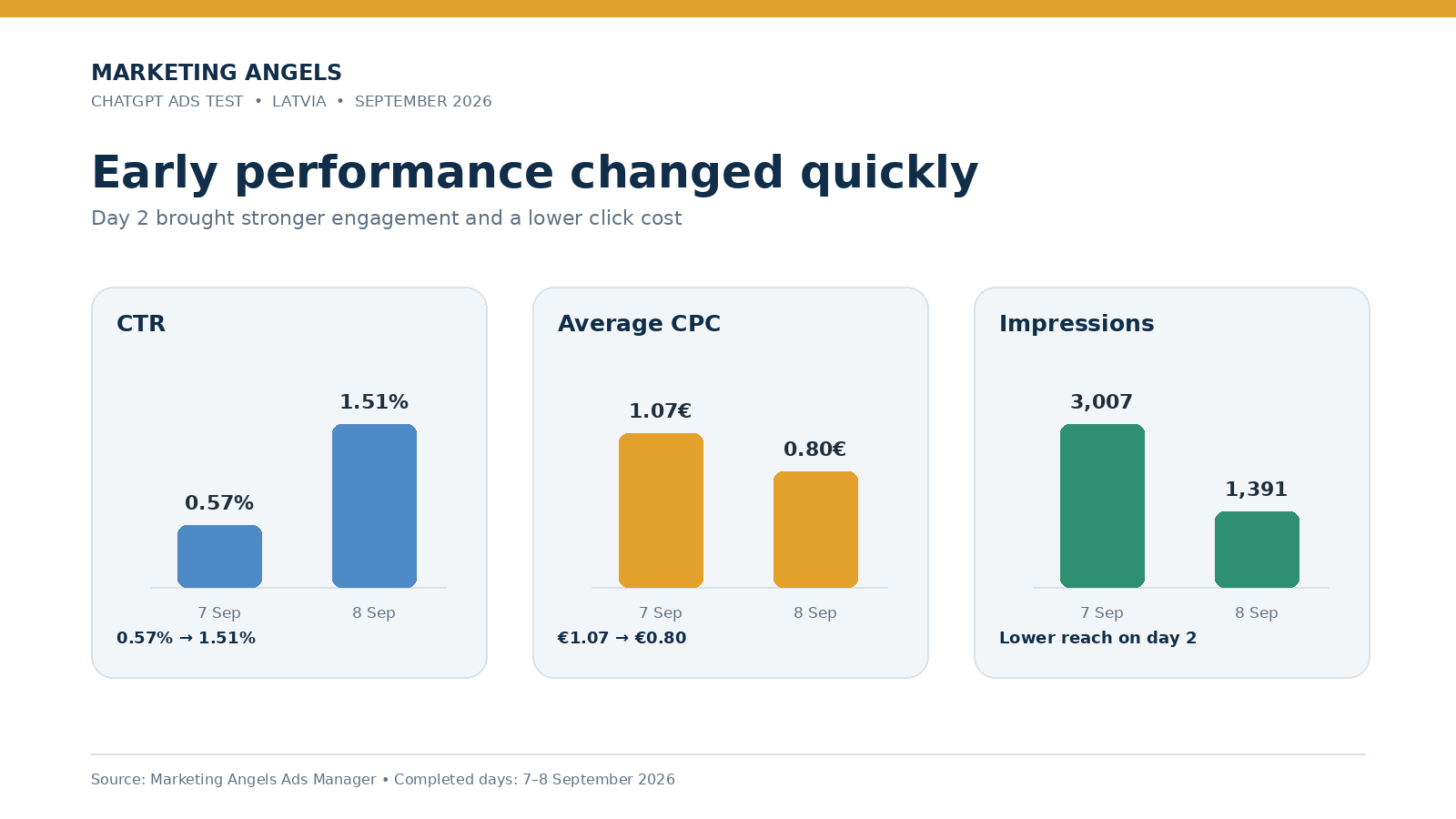
The campaign began generating traffic without a long waiting period. Across both days, the average CPC was below €1.00. For a new B2B advertising channel in a small market, that is an encouraging traffic signal, but it is not yet proof of commercial success.
The second completed day showed a clear improvement in engagement. CTR rose from 0.57% to 1.51%, while average CPC fell from €1.07 to €0.80. At the same time, impressions fell and CPM increased, so the improvement should be treated as an early movement rather than a stable trend.
One creative received around half of all impressions and half of all clicks, while several variants had very little delivery. This shows that the system had already started concentrating delivery, but the sample is too small to name a final winner.
The campaign recorded no attributed leads in these first two completed days. This does not prove that tracking is broken or that the channel cannot produce leads. We need a larger sample before assessing conversion rate, cost per lead or lead quality.
Our predictions for ChatGPT Ads
These are informed predictions, not confirmed outcomes:
- Conversation intent may become a major advantage. ChatGPT can understand a longer description of a need, which may help advertisers reach people during active research and decision-making.
- Context hints may become as important as keyword and audience strategy. Agencies will need to map customer questions, situations and goals, not only build keyword lists.
- Early costs may look attractive while competition is still limited. CPC and CPM can rise as more advertisers enter the same categories, so current prices should not be treated as permanent benchmarks.
- Product feeds could become especially important for e-commerce because they connect a live catalogue with product comparison conversations. Feed quality, images and product data will influence results.
- Reliable measurement will separate serious tests from surface-level experiments. Pixel events, server-side events, UTMs and CRM lead quality should be reviewed together.
- Small markets may produce useful traffic but slower learning. Latvian advertisers may need longer test periods, focused ad groups and careful budget control before the conversion data becomes meaningful.
Is it worth testing now
For brands that already have a clear offer, a strong landing page and working conversion tracking, ChatGPT Ads are worth a controlled test. The platform already supports the basic elements needed for serious campaign work: campaign objectives, multiple ad groups and creatives, conversion measurement, server-side events, product feeds, custom audiences and reporting.
The best approach is to start with one clear goal, separate ad groups by real customer need, write specific context hints and test several creative messages. Results should be judged on qualified conversions and business value, not clicks alone.
Our Latvian test has produced promising engagement at an early stage, but the honest conclusion is simple: two days are enough to see potential, not enough to declare success. We will continue to watch how delivery, leads and lead quality develop as the campaign gathers more data.
Want to test ChatGPT Ads for your business?
Marketing Angels can help with campaign structure, creative, tracking and ongoing optimisation. Contact Marketing Angels